
Le 19 mai 2026 De 12:15 à 13:15
Séminaire
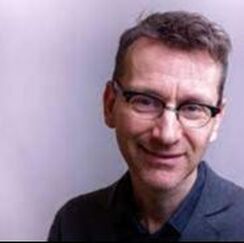
Pierre-Guillaume Méon (Université Libre de Bruxelles)
Publié le 12 mai 2026 – Mis à jour le 12 mai 2026
Lieu(x)
Pôle Tertiaire - Site La Rotonde - 26 avenue Léon Blum - 63000 Clermont-Ferrand
Salle 212
Salle 212
Séminaire de recherche. The Causal Impact of the Electoral System on Corruption.
Pierre-Guillaume Méon
Université Libre de Bruxelles
Coauteurs : Abel François and Nicolas Lagios
Université Libre de Bruxelles
Coauteurs : Abel François and Nicolas Lagios