
ECOTERM: New workshop with local communities on the preservation of their ecosystem
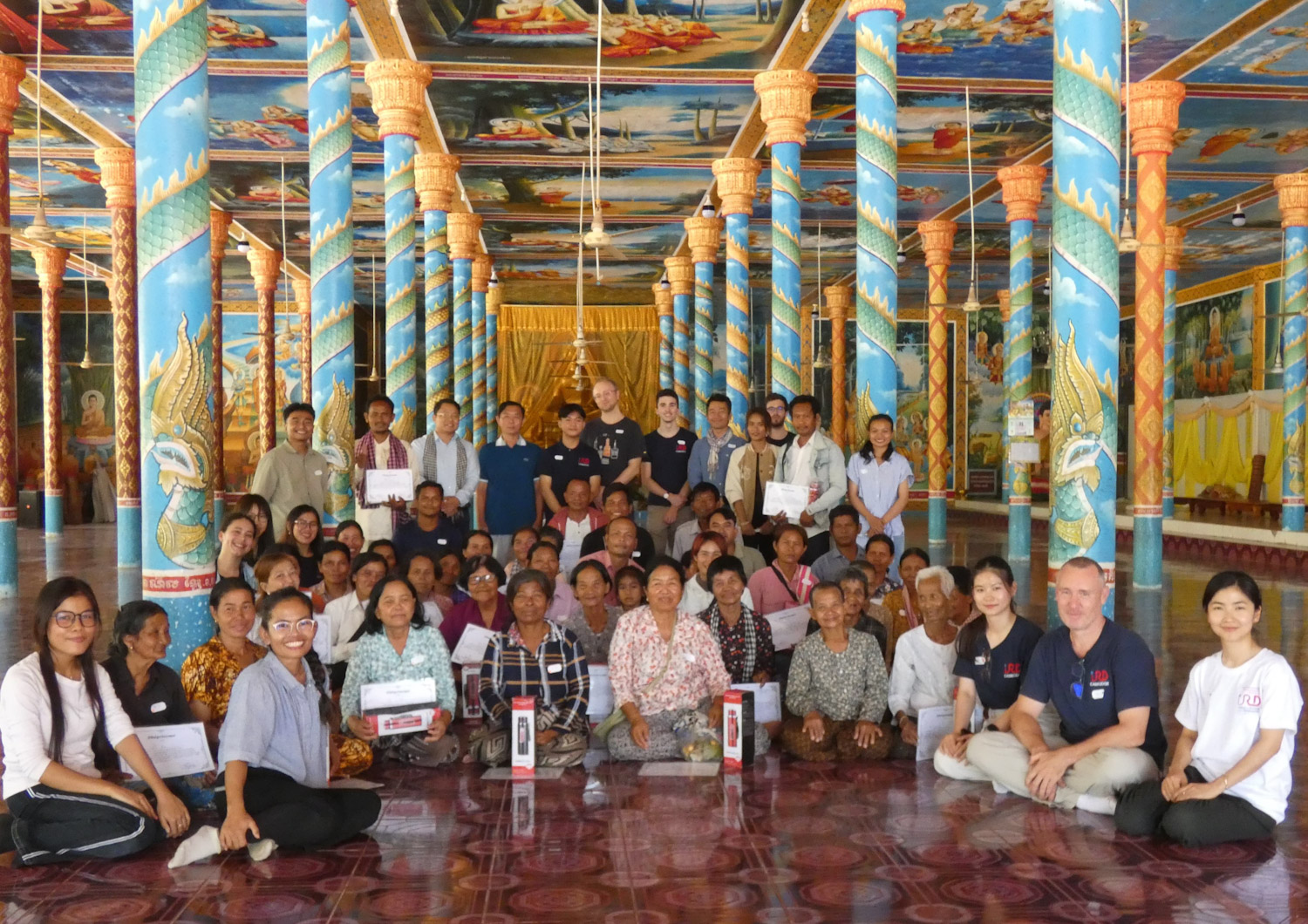
Chanrithy Lao was in Cambodia to run a participative workshop with local farmers
The ECOTERM project is a community-based research initiative conducted by an international team to investigate the ecosystem services provided by termite mounds in agricultural landscapes. On 31 March 2026, a second participatory workshop was held with farmers from the Chrey Bak Observatory in Kampong Chhnang Province, Cambodia, as part of an ongoing doctoral research project on termite mound ecosystems.
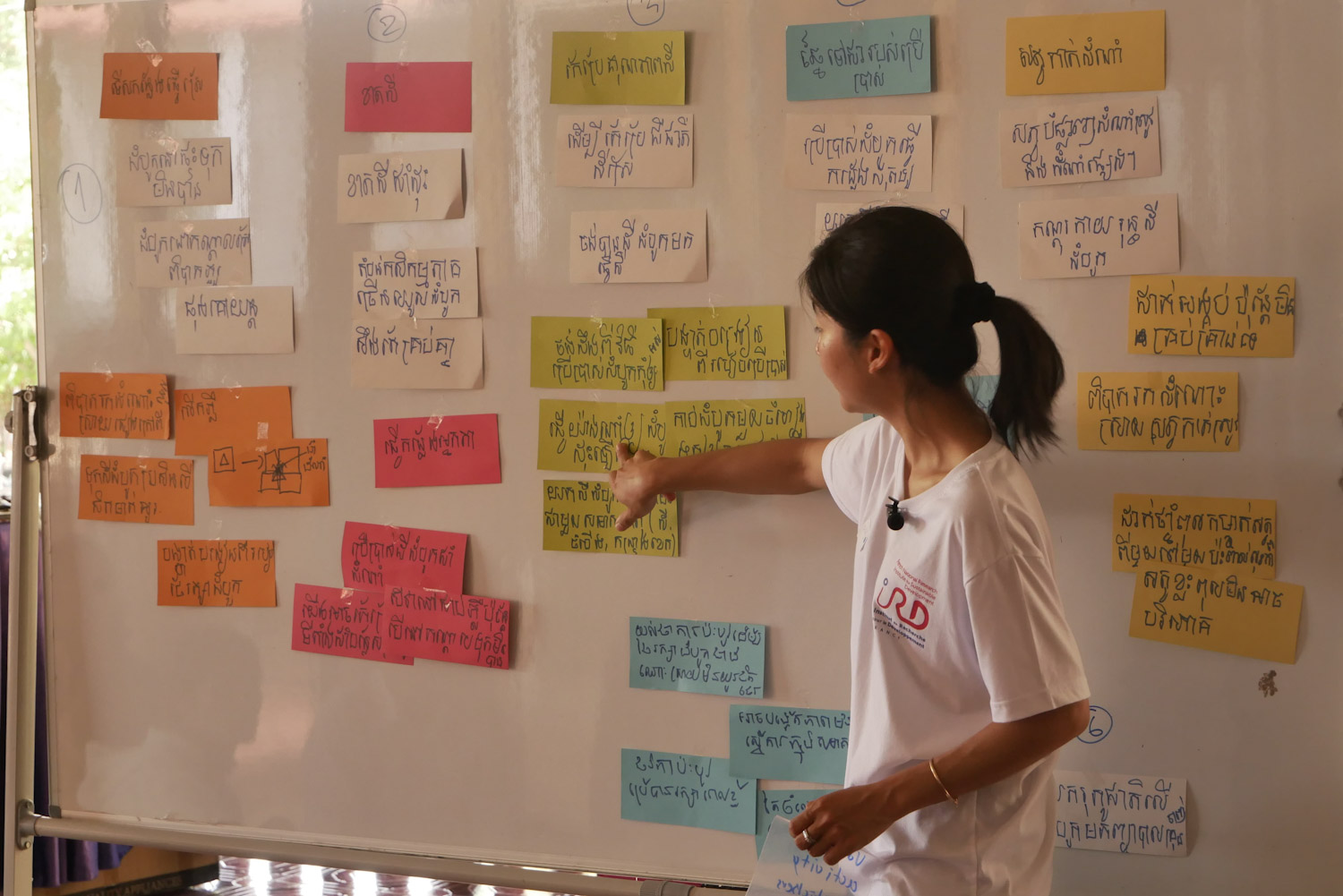
Through group discussions, collective validation exercises, and participatory voting activities, farmers shared their experiences, compared contrasting field situations, and collectively reflected on management options suited to local conditions. The workshop demonstrated the value of combining scientific research with farmers' knowledge to co-develop conservation strategies that are both practical and socially relevant.
Nearly 40 farmers participated in the workshop alongside a team of 12 researchers and facilitators. This research programme is supported by the French National Research Agency (ANR), the REASOL project, and the French Embassy in Cambodia. It is the result of a partnership between IRD, CERDI (Université Clermont Auvergne-CNRS-IRD), iEES Paris (Sorbonne Université), Lisode, the Royal University of Agriculture (RUA), and the Institute of Technology of Cambodia (ITC).
The ECOTERM team would like to warmly thank all participating farmers for the time they dedicated to the workshop and for sharing their knowledge and experience. We are also grateful to the local field teams, facilitators, researchers, and partner institutions whose commitment contributed to the success of this workshop.
Check out the video about the workshop.
More information
Read also
Chanrithy Lao was in Australia for a research stay, CERDI website, May 2026.