
Katsuo Kogure (University of Aizu)
Room
Research Seminar. Foundations of Causal Inference in Historical Persistence
Katsuo Kogure
University of Aizu
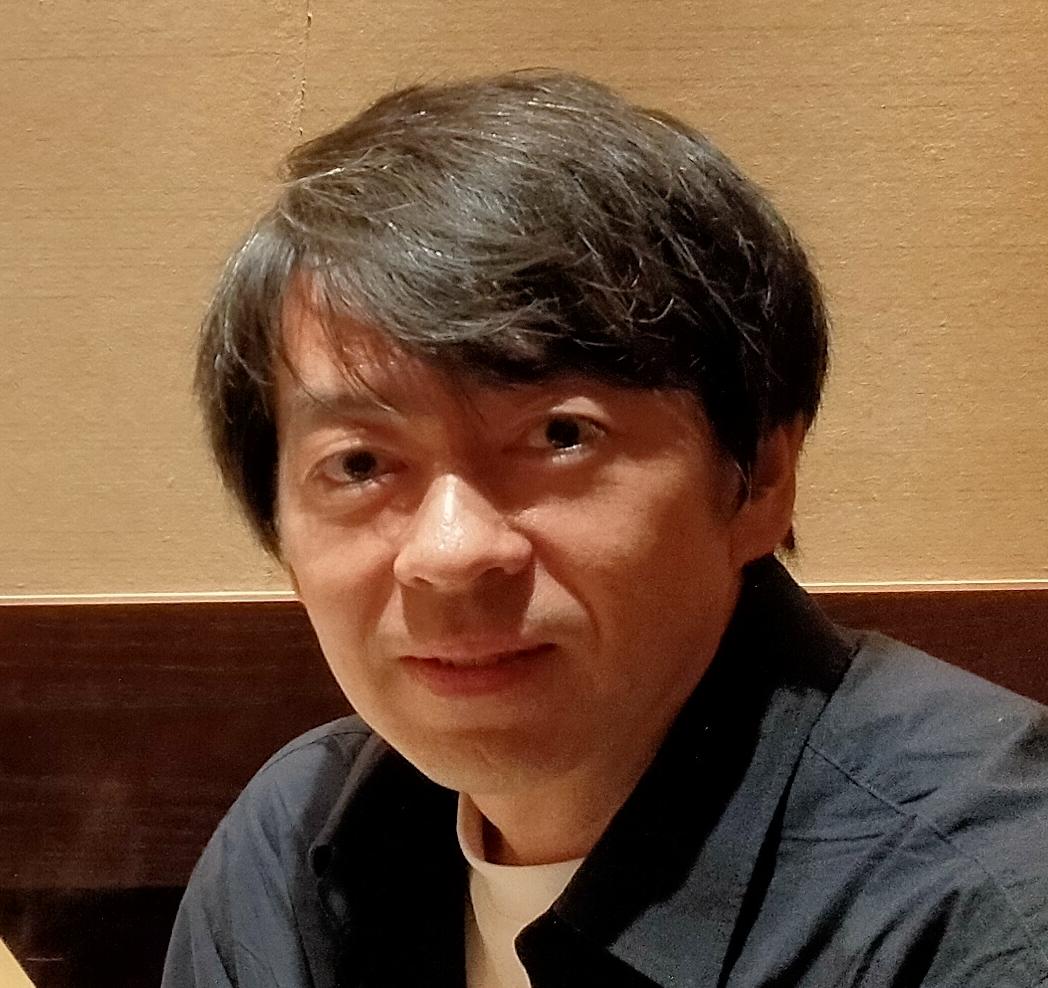
CERDI is pleased to welcome Katsuo Kogure, Senior Associate Professor at the University of Aizu (Japan) for a visit from 6 to 22 September 2026. His research stay is supported by the Embassy of France in Japan through the « Exploration France » program.
Katsuo is a development economist whose research focuses on how war and conflict leave long-term imprints on societies and individuals. During his stay, he will engage in a new collaborative research project on the long-term effects of foreign military intervention in Cambodia during the Vietnam War with Masahiro Kubo, a post-doctoral researcher at CERDI, Université Clermont Auvergne.
Abstract
We provide a framework for causal inference when treatments are defined by historical events and outcomes are observed among contemporary individuals. A fundamental challenge in this setting is that historical events can shape not only subsequent outcomes but also the formation of the populations in which those outcomes are ultimately observed. Because contemporary individuals generally do not exist at the time of treatment, the composition of the observed populations can itself depend on history. We make this population formation explicit by defining population membership for potential units in a superpopulation and distinguishing realized contemporary populations from the counterfactual populations that would arise under alternative historical treatment assignments. This formulation clarifies the target population and causal estimand in persistence studies, without requiring researchers to identify counterfactual population formation in every application. The conventional potential outcomes framework is recovered as a special case when the contemporary target population is invariant across treatment states. Our superpopulation-based framework provides a foundation for formulating, identifying, and interpreting the long-run causal effects of historical events on contemporary outcomes.